
Welcome to the Kitchen Table History Newsletter
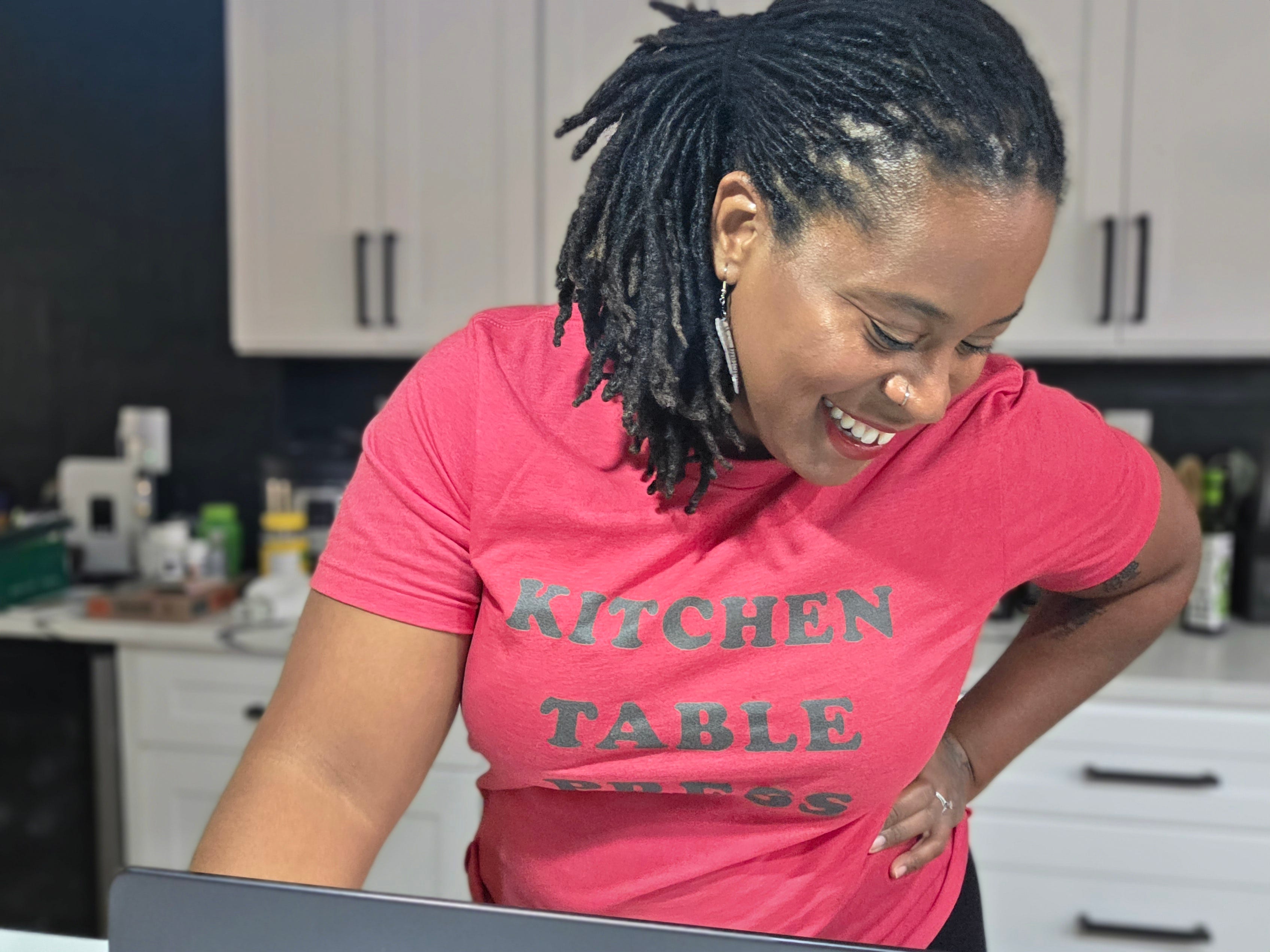
Musings, research notes, and personal notes from the desk of Jessica Marie Johnson.
I study slavery, Black life and resistance, the Black digital, and Black feminist thought. I write books about all of the above. I am a tenured professor and I direct labs and projects at the intersection of digital humanities, Black studies, and Black history.


Between research and writing, I mother two SkyBabies, treat daughtering like an extreme sport (Nuñez Mom), love on my family, garden, build an art and archive practice (RootWater Studio), and nurture community in Baltimore. Beyond Baltimore, my place-based commitments root me in Chicago, New Orleans, Baltimore, and Puerto Rico—which is to say, I claim and am claimed by kin and community in those places. I am grateful.
I have come in and out of blogging since 2006 (Waiting 2 Speak, Nuñez Daughter, Diaspora Hypertext) and social media since 2008. Every time I think I’ve kicked the habit, it comes roaring back. Kitchen Table History began as land of women, a tinyletter newsletter I dispatched in the midst of grief and COVID in 2020. When tinyletter died, I moved to Substack. What this newsletter becomes next is anyone’s guess, especially given the very real problems with Substack’s platform and politics. But for now, I’m here.
The “kitchen table” is a Black feminist practice, praxis, theory, and a real place where our mothers, grandmothers, and foremothers lived, loved and labored. You can read about why I use “kitchen table” as a reference and my Black feminist praxis of the kitchen table in this 2014 post (reshared here). Respect and tribute always to Kitchen Table: Women of Color Press (founded by Barbara Smith, Beverly Smith, Cherríe Moraga and Audre Lorde) the Muva of so much Black feminist radical and digital media you see today.
For professional and professorial updates only, visit jessicamariejohnson.com.
For LifexCode lab updates only, subscribe to the LxC newsletter.
If you decide to stick around here, thank you for spending some time at my kitchen table.
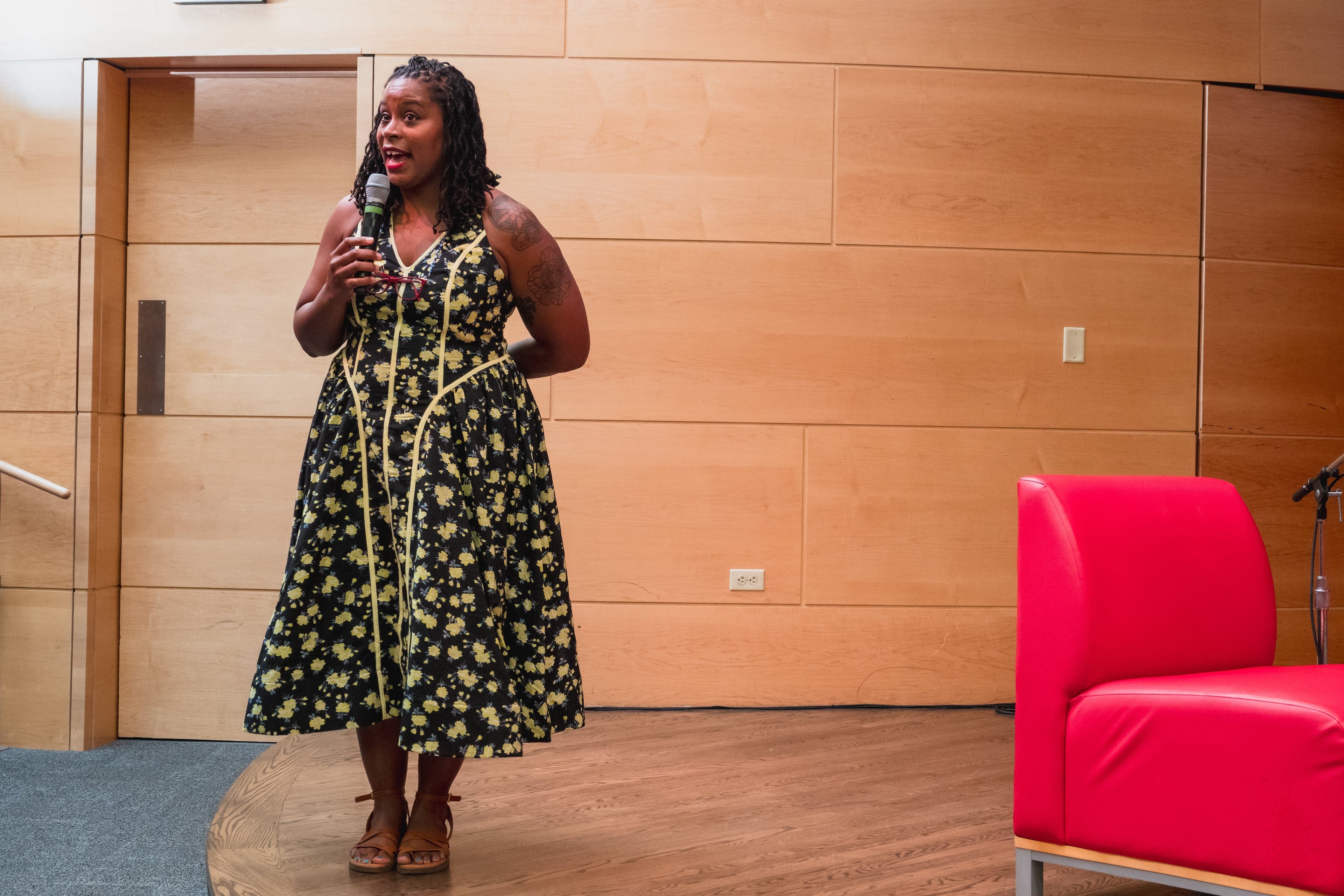
Subscriptions (The Groceries and Coffee Crew)
New: Cafecito y Pan
You know how you go over to someone’s house and you say bendición to the elders and then you get a little cafecito with sugar and maybe some pan sobao? But then you gotta kiss your titi and go because errands, life, work, putería, etc.?
Every culture has a version of hospitality dine and dash. Well this is yours. If ever wished you could just leave a tip on a post or for a note, here is your chance to drop a tip in the tip jar. $5 is suggested, but adjust it to anything that you wish!
Thank you to RootWater Studio for offering a way. If you haven’t been over to my creative house, go for a spin.
Coffees and Groceries Crew
My kitchen table is messy. Books, piles of papers, kids toys, olive oil, and apples. This newsletter is just as human.
Subscribe to the newsletter (don’t just follow) to get email access. You can avoid being sucked into the Substack app and you won’t miss an update. Each newsletter goes directly to your inbox—which I hear they don’t do if you follow.
What everyone can expect in their inbox: weekly(ish) research posts with lists of what I am working on working through, marginalia1 (my literal chicken scratch in the margins of my favorite pages read that week, because print will never die), community offerings (Black Creative Worlds), and occasional professional updates. You get notifications about the weekly Office Hours lives as they happen, a fun, casual space to chat with me and hear me wax on about history, archives, Black life during slavery, or whatever might be the news of the day. And you get the After Work Drinks, the post-live round up, which usually features select audio clips as video essays from the live (explore them here). The audio clips are also available via RSS feed in your favorite podcast player and I usually post them on my IG (@jessicamariejohnson_).
When you buy a coffee (monthly sub) or the groceries (yearly sub), you get a bit more from behind the scenes: dispatches from the land of women (an inside look into the chaos of academic mama-parenting), Office Hours video clips, access to the full newsletter archive (posts are paywalled after a year), more personal musings from the afrofuturist side of my brain, and a first look at new writing, new projects (example: paid subscribers had first look access to my experiments with live video last year. Now I’m opening Office Hours lives to everyone).
Paid subscriptions can be strange, but I’ve gone from “give everything away for free!” to doing what I can to respect the newsletter ecosystem. I don’t live on subscriptions, I want to be honest about that, but some people do and not offering something extra for those willing (or expecting) to support the work feels disrespectful. Besides, it really does buy coffee and eggs, spinach, cilantro, bacon. And paywalls have the added benefit of making it harder for Ai bots to crawl all over our writing. Small rebellions from within the machine.
So my paid subscription philosophy is this: a paid subscription isn’t necessary to sit at the kitchen table and enjoy the conversation, but they are a lovely way to show you appreciate the time and effort. And I never turn down a cafecito. Thank you to the paid subscribers!
Before You Go…
I love it when you share the material, feel free. Go here for “How to Cite” posts if you are using material here for journalism or research papers.
Content is mine, unless otherwise indicated or in the public domain/CC.
Human Made/GenAi Policy: Material on this newsletter is human made. I do not use GenAi to write or create text, images or video on any of my sites. I can’t always speak for material I cite, but when I find out it is Ai generated, I delete it. I find Ai generated historical images and video to be morally repugnant. I do use Ai to generate transcriptions of audio/video and I do allow others to generate captions on audio/video. Beyond accessibility assistance, Ai is a 🚫. If you find GenAi text, art or videos cited or shown here, let me know. For more on authors and Ai, check out the Author’s Guild resources here.
Questions? Contact: DM me here or on IG. Other questions? Check out my website.
Not to be confused with THEE Marginalian, which is one of my favorite blogs. Maria is not on Substack, subscribe to and get your whole nervous system grounded through her words.
