
Third Offering: A Pattern for Future Thought
We watch from the future with craving in our eyes.

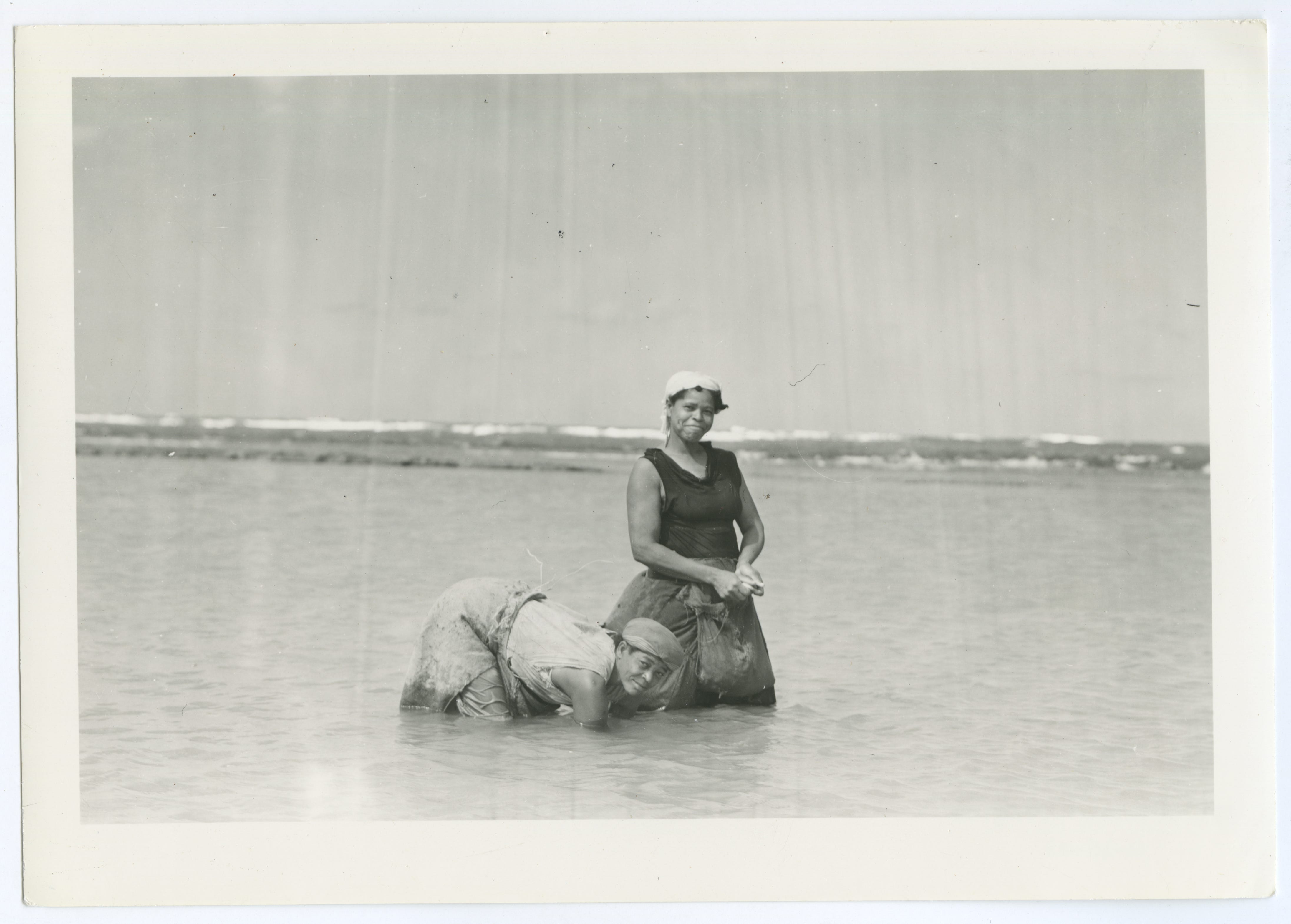
And a pattern emerges.
We forget the parts, but we enjoy the show. We watch from the future with craving in our eyes.
Still in the throes of “reconquering” the Iberian peninsula from the Muslim states of al-Andalus after years of war, the Catholic Spanish monarchs took their commitment to spreading the benevolent wonders and glory of Christianity quite seriously. So much so, that they sent a Genoese upstart in search of routes, lands, and currents that might expand the triumph of reconquest (and Spain’s economic prospects) even further.
This is how Cristóbal Colón ended up swirling around the Greater Antilles in the first place.
The first slave trade from the Americas was Indigenous and intellectual.
“...I took by force some Indians from the first island, in order that they might learn from us, and at the same time tell us what they knew about affairs in these regions.”1
Colón came by his strategies honest. After all, the Portuguese did something similar off the coast of West Central Africa. In 1483, Diogo Cão took hostages near the sovereign Kingdom of Kongo, forced them to learn Portuguese, and when they’d learned it sufficiently, used those hostages to tell them all that they could about the land and its people.2
Of those Indigenous women, children and men Cristóbal Colón kidnapped, seven survived long enough to be paraded through the streets of Seville where a young Bartolomé de las Casas was watching.3 Colón would round up hundreds of Indigenous from the Caribbean to sell in Spain, in part to offset the cost of his voyages and in part to honor Queen Isabela.
Don Nicolás Ovando did not find African or Indigenous intellect very appealing. In the fall of 1501, Don Nicolás Ovando requested and received permission from Ferdinand and Isabela to bring African slaves to the Caribbean. By then, the Catholic monarchy had seen how massive the project of conquering the Americas would be. Yet, they still understood empire to be an intellectual project, a winning of hearts and minds kind of thing. Ferdinand and Isabel granted Ovando the authority to bring enslaved Black people to the Caribbean, but only the ones who would come to be known as ladinos—African- and Iberian- born Black slaves who already converted to Catholicism, who already appeared to fit the Iberian project of empire, who, in their royal estimation, wouldn’t rock colonialism’s boat because they already thought like colonizers.
“Because with great care we have procured the conversion of the Indians to our Holy Catholic Faith, and furthermore, if there are still people there who are doubtful of the faith in their own conversions, it would be a hindrance [to them], and therefore we will not permit, nor allow to go there [to the Americas] Moors nor Jews nor heretics nor reconciled heretics, nor persons who are recently converted to our faith, except if they are black slaves, or other slaves, that have been born under the dominion of our natural Christian subjects.”4
Let me take a detour here, in case you don’t get to the bottom of this post.
There is no acculturation that will ever be enough for empire to ease down and say, “hey, you, colonized person or persons—we accept you.”
Just ask the ladinos, the supposedly Hispanicized Catholic Africans like Juan Garrido, who found themselves forced into the project of empire and then had to beg for financial support at the end of their lives just like any other ordinary, elderly and impoverished slave.5
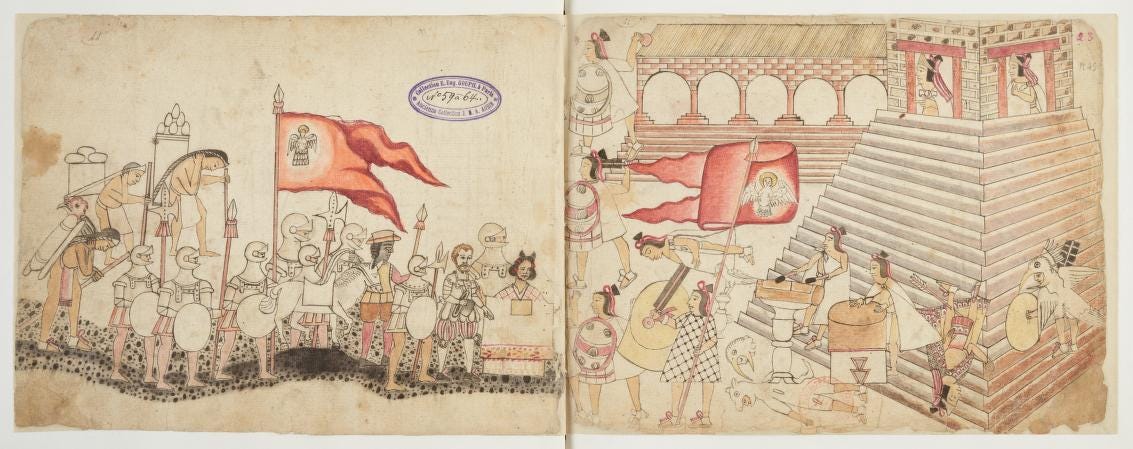
Poor Garrido. We dragged him into the history books, dubbed him conquistador like that was a badge of honor, and, in truth, he was just a Black man on the wrong side of servitude, stuck with a master who got called to come down to the wharf and head to the New World.
In the end, ladino slave trade or not, the next year, Ovando broke his own rules, importing a handful of African captives direct from the continent.
A pattern emerges. Bondage. Labor.
Then Isabela died and Ferdinand could stop pretending he cared about souls, or intellect, or anything except gold. Africans began to trickle into the Caribbean from everywhere.
Even with Africans to import, the Ovandos, the Colóns, the Ponce de Leons, their allies and their progeny, still adopted the encomienda system to force Indigenous Caribbean women, children and men into labor camps (”Indian villages”) and from there into mining, farming, and domestic service. How did it work, you ask? The same way the Portuguese forced the King of Ndongo to compromise. Engage in political intrigue and flattery. If that doesn’t work, mobilize political enemies and make the enemy of your enemy your friend. If that doesn’t work (or even if it does, to be honest), barge into homes and force bodies out of beds at night. March them from their villages and communities. Force them to labor at gunpoint, to the barking of man-eating dogs, to the tune of insufficient troughs of water and food. When you’ve collected enough gold (or sugar or coffee, a pattern), offer their broken bodies a chance to return to their bohios and beds, but only for a respite, only until the next season of forced labor begins.
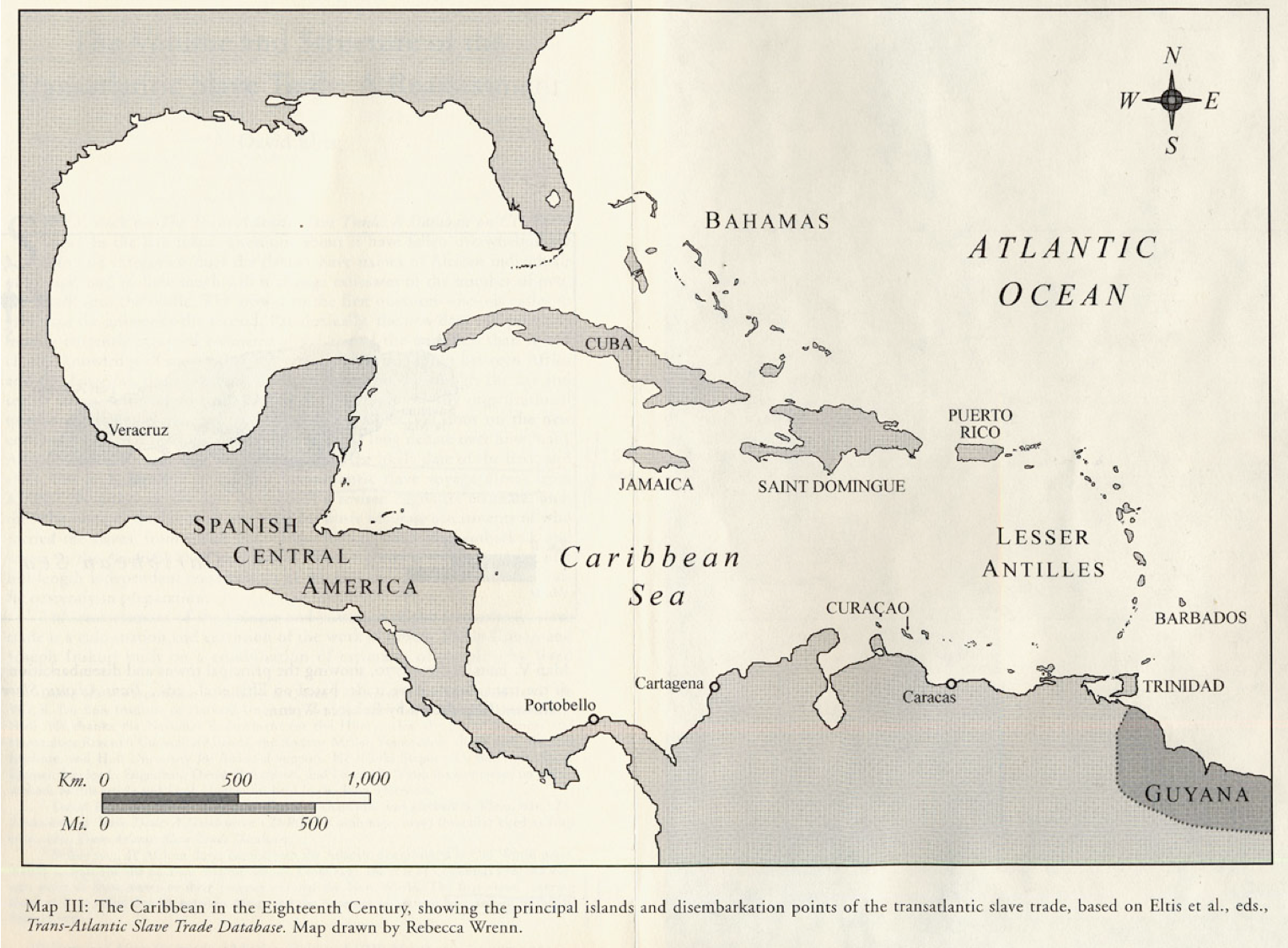
Within ten years, the caciques of Boríken and Hispaniola would say enough is enough.
The Indigenous war against Spanish conquistadors rocked Boríken, Hispaniola (or Quisqeya/Ayiti), and the islands and archipelagos around them. It nearly unseated the Spanish from their so-called Caribbean colonies. It shocked the Dominican missionaries into petitioning for an end to Indigenous slavery, including one friar who suggested that Africans could take the place of Indigenous laborers (though Bartolomé de las Casas would later come to regret those terms). It convinced Juan Ponce de Léon he might want to look elsewhere for glory and gold (he’d heard maybe Florida had better beaches for that yellow stuff).
A throwback for the Groceries and Coffee Crew:

Spanish conquistador-settlers continued importing Africans, never more than a handful at a time, but always with high hopes Black captives might prove easier to manage than Indigenous ones, who were just so recalcitrant and ungrateful. Easier to break and mold people to the demands of forced labor and obedience and, oh right, Catholic supremacy, if you take them far from home.
In the Slave Voyages database, the first documented slave ship from the African continent that lands in the Americas, lands in Puerto Rico in 1516. In fact, all of the first voyages in the database before 1526 land in either San Juan or San Germán in Puerto Rico—which, in the future, would be called la isla del encanto.
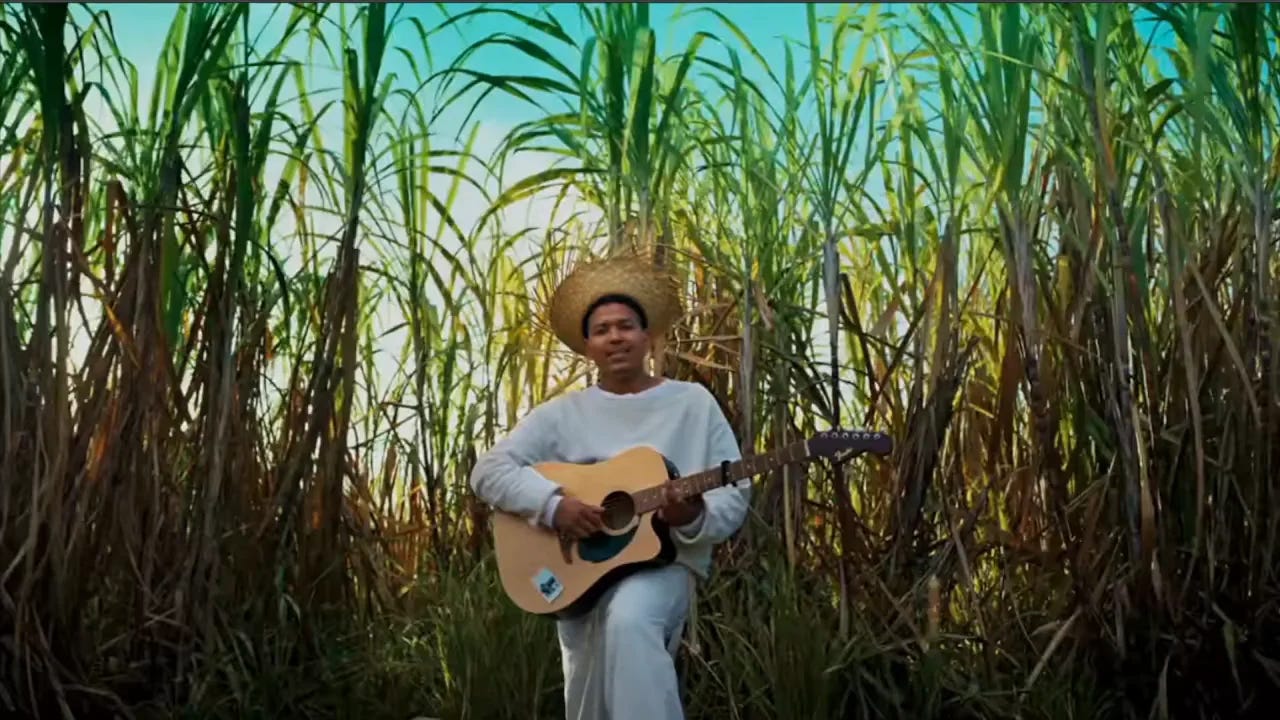
A pattern emerges. Bondage. Labor. Resistance. Indigenous and African remembering who we are to each other and who the real enemy is. This is what the oldest colony of the Caribbean teaches us.
In 1527, a rumor began to spread. A whisper of freedom, a sigh of anger, a growl of inspiration. An insurgency led by Indigenous laborers, enslaved Africans, especially Jelofes (Wolof), maybe the Berbers (North Africans) and definitely the ladinos. The rumor began to spread across Boríken. Over the next decade, a series of African and Indigenous revolts—acts of defiance, subterfuge, and marronage—occurred across Puerto Rico’s archipelago. Africans, Indigenous, Afro-Indigenous alike found ways to fight back.
The documents never provide a smoking or explosive gun, a legajo of testimony. Not like the 1811 Louisiana Slave Revolt or the Southampton Revolt. Nothing so tangible and textual.
But within ten years, officials in San Juan would attempt to prohibit captains from permitting Wolofs or even ladinos to be sold in the archipelago. And conquistador-settlers began to feel a little shiver down their spine as they walked the muddy roads that led to the port of San Juan. Eventually, most would take their dreams of gold and blood to the southern continent or to Brazil, or follow in Ponce de Leon’s footsteps further north.
The African and Indigenous Caribbean, they whispered, is just too hard to manage. Too dangerous. Best to leave that God-forsaken place to the savages. “Puerto Rico está cabrón,” they told each other and they would never admit it, but their voices shook.
A full blown sugar economy wouldn’t emerge in Puerto Rico for another two centuries.
And what was made in the meantime? PRECIOSA.
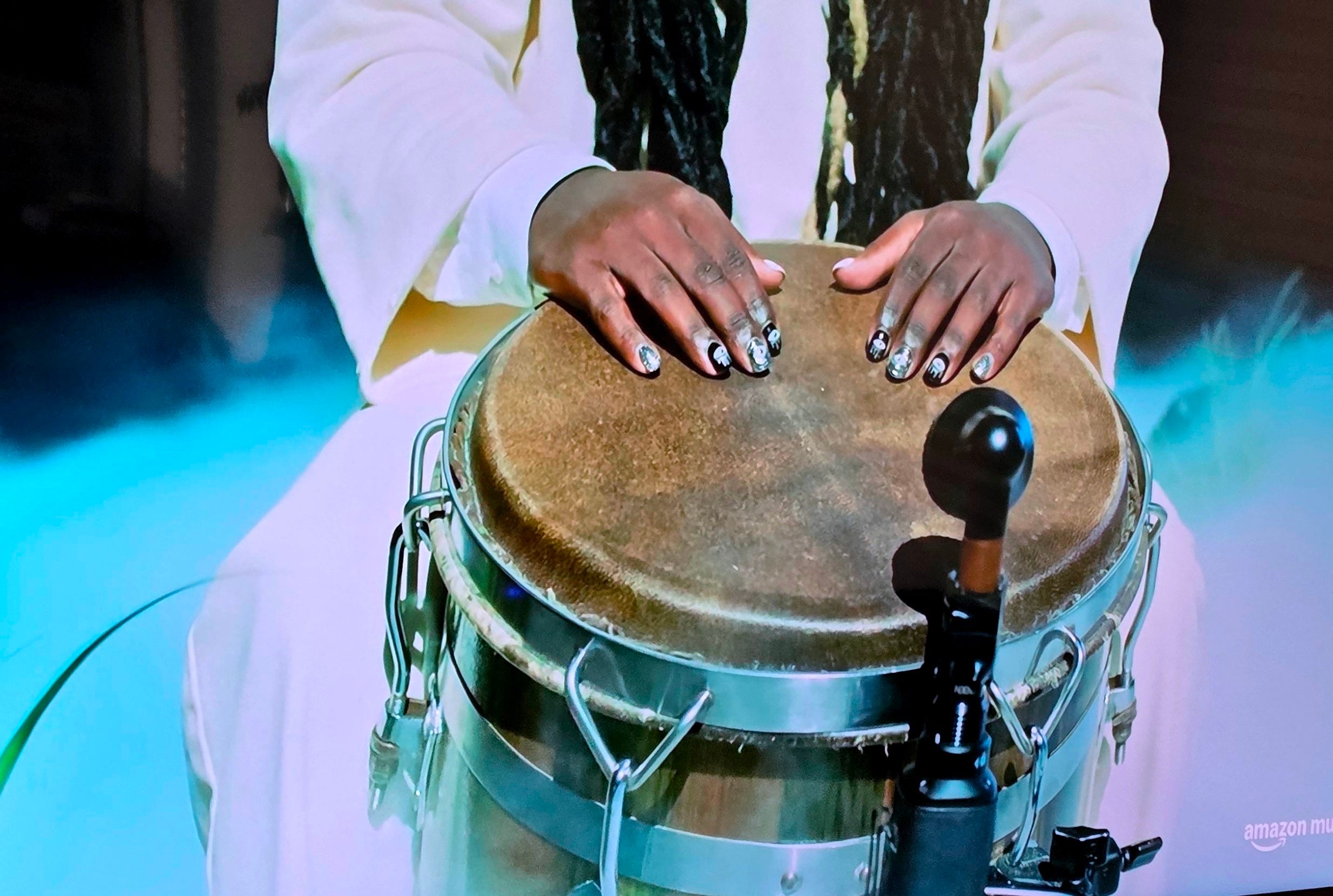
A pattern emerges and it is the language we speak to each other when we don’t know each other’s language. It is a guttural tongue, full bodied and open mouthed, every muscle working to unmake European syllables, insert new letters that roar loud like the Congo River or whistle soft like rain on the Víví (Otoao) river or vibrating like the أَذَان. It isn’t an easy language to speak, it isn’t easy to understand, but, then again, speaking the language of solidarity, of witnessing, of fighting together is hard.
This third offering is for the unspoken, the unnamed, the unthought and the languages they created, the remarkable future they brought into being. A pattern they mastered so completely it is nearly invisible in the archive. A pattern they could sense but not see, that led from the deck of ships going in both directions, and from there to the slave castle to the mines to the plantations to the markets to the bays and the coves and into the pirogues and, sometimes, sometimes, through rivers of fire and oceans of blood, onto the manuscript page, and from there through the centuries to meet you and me here.
It is an offering for the seven Indigenous survivors who walked off Colón’s slave ship and walked the streets of Seville, the ladinos who talked back in Spanish, Arabic, and Portuguese while they bided their time, the Wolof who, fresh from war, stood ready to wage battle on new terrain, the caciques who wouldn’t back down determined to prove even gods could be killed.
We forget the parts, but we know the parts are there. This is what the archipelago and diaspora teach us.
Readings
Alexa Rodríguez, “Reflections on the 1521 Rebellion: Teaching the History of Early Afro-Descendants in Latin America,” Latino Studies (London, United Kingdom) 20, no. 4 (2022): 555–61, https://doi.org/10.1057/s41276-022-00374-3.
Sophia Monegro, “Origins of Black Feminist Thought in the Americas: La Negra Del Hospital in Colonial Santo Domingo,” Global Black Thought 1, no. 2 (2025): 289–321.
Anthony Stevens-Acevedo, The Santo Domingo Slave Revolt of 1521 and the Slave Laws of 1522: Black Slavery and Black Resistance in the Early Colonial Americas (Dominican Studies Institute, 2019).
Lauren Benton, They Called It Peace: Worlds of Imperial Violence (Princeton University Press, 2026).
Jorell Meléndez-Badillo, Puerto Rico: A National History (Princeton University Press, 2024).
Jalil Sued Badillo and Angel Lopez Cantos, Puerto Rico Negro (Ediciones Cultural, 2001).
Karen F. Anderson-Córdova, Surviving Spanish Conquest: Indian Fight, Flight, and Cultural Transformation in Hispaniola and Puerto Rico (University of Alabama Press, 2017).
Dylan Cobban, “The Story of Juan Garrido,” History Workshop, September 4, 2025, https://www.historyworkshop.org.uk/empire-decolonisation/the-story-of-juan-garrido/.
Octavia E. Butler, Seed to Harvest (Grand Central Publishing, 2007). And yes, if you recognize “patternmaster” you should.
This is offering #3 of Stitch Open My Eyes a 12-week community offering on history and memory in slavery’s archive. Because the Black freedom struggle during slavery should be a topic of conversation at every kitchen table. Follow along by subscribing below.
This post may contain affiliate links, meaning I get a commission if you decide to make a purchase through my links, at no cost to you.
“Columbus Reports on His First Voyage, 1493 | Gilder Lehrman Institute of American History,” accessed February 11, 2026, https://www.gilderlehrman.org/history-resources/spotlight-primary-source/columbus-reports-his-first-voyage-1493.
Ana Lucia Araujo, Humans in Shackles: An Atlantic History of Slavery (University of Chicago Press, 2024).
Lauren Benton, They Called It Peace: Worlds of Imperial Violence (Princeton University Press, 2026).
“The Early Trans-Atlantic Slave Trade: Nicolas Ovando,” accessed February 8, 2026, https://ldhi.library.cofc.edu/exhibits/show/african_laborers_for_a_new_emp/early_trans_atlantic_slave_tra.
Dylan Cobban, “The Story of Juan Garrido,” History Workshop, September 4, 2025, https://www.historyworkshop.org.uk/empire-decolonisation/the-story-of-juan-garrido/.
Thank you for these helpful historical dives.